Discover Rome top Patio Builder offering personalized outdoor living solutions
Discover Rome top Patio Builder offering personalized outdoor living solutions
Blog Article
Why Choose a Professional Patio Constructor for Your Dream Outdoor Space?
Choosing a professional outdoor builder can significantly affect the end product of an exterior space. Their proficiency guarantees that design, construction, and local regulations are all expertly addressed. These specialists not only supervise demanding projects but also select sturdy materials fitting for the climate. As the planning progresses, property owners often ponder how these selections will elevate their exterior entertainment experience and home's overall value. The findings may impress them as they review their possibilities.
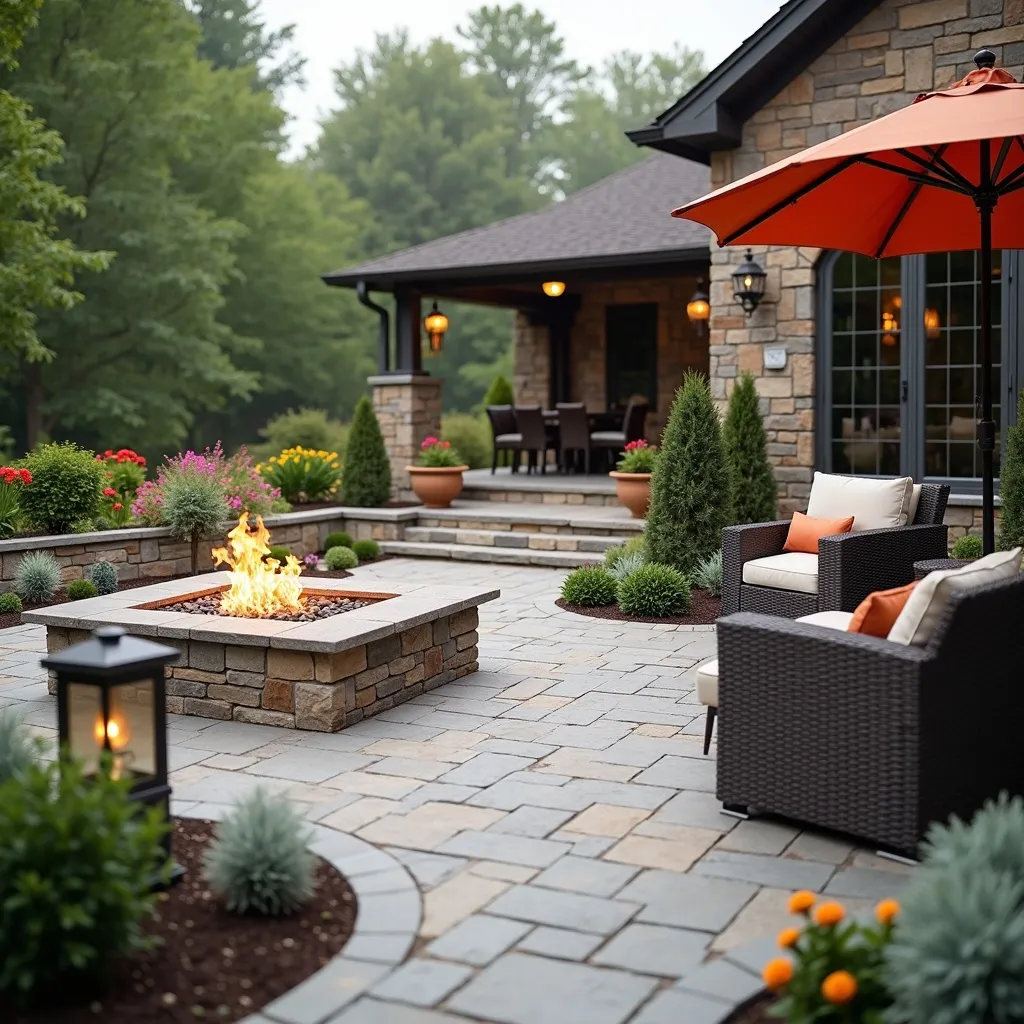
The Mastery of Professional Patio Builders
Skilled patio professionals offer considerable knowledge that transforms outdoor spaces into appealing and functional areas. Their extensive skills and background allow them to assess site conditions, recommend fitting materials, and design plans that work with existing landscapes.
With understanding of local building codes and regulations, they ensure adherence and safety in every project.
Furthermore, accomplished construction experts are supplied with the suitable tools and approaches to implement intricate layouts efficiently. They recognize the intricacies of drainage, soil stability, and weather considerations, which are essential for the enduring quality of a patio.
Their precise focus to detail and expert craftsmanship delivers a finished product that improves property value and usability. By working with clients, these specialists can adapt solutions that fulfill specific needs and preferences, ultimately offering a personalized outdoor experience.
Choosing a professional patio builder guarantees a smooth experience from concept to completion, supported by quality workmanship and dependable assistance.
How to Frame Your Imagined Patio Format
What are the best ways to create your perfect patio design? First, people should assess their lifestyle and the way they intend to use the space. A family-oriented design may contain zones for children to play, while an entertaining space might highlight comfortable seating and leisure features.
Then, reviewing the existing landscape is critical; the patio should complement the home and surrounding environment.
Materials play an integral role in design, and selecting options that align with personal taste and durability is essential. One should also consider aesthetics, exploring colors, textures, and patterns that will achieve a cohesive look.
Ultimately, it's wise to collect inspiration from multiple sources, such as home improvement websites or social media platforms. By compiling images and ideas, individuals can create a vision board that clearly communicates their intended result, facilitating a more productive collaboration with a professional patio builder.
What You Must Understand About Local Ordinances?
Working with local regulations is essential when preparing for a patio undertaking. Homeowners must grasp zoning laws, which establish where structures can be developed on their property. These regulations change notably by location and can influence the footprint, vertical extent, and orientation of a patio.
Building permits may be required, and the application process can involve submitting detailed plans for approval.
Additionally, homeowners should understand setback regulations, which define the separation a patio must maintain from property lines or current buildings. Local building codes also control safety standards, guaranteeing the patio is constructed to resist environmental factors.
Inability to comply with these regulations can result in fines or the requirement to break down the patio. Utilizing a expert patio craftsman can smooth this workflow, as they are well-versed in applicable laws and can validate that the development respects all necessary guidelines.
Choosing Long-lasting and Beautiful Materials
When picking products for a patio, durability and aesthetic appeal are critical factors.
Homeowners should think about not only the durability and upkeep needs of different options but also how these materials contribute to the overall design.
Moreover, inexpensive options can strengthen both functionality and visual appeal while remaining within budget.
Material Longevity and Care
Picking the appropriate materials for a patio enhances its visual charm and impacts its longevity as well as maintenance simplicity. sturdy options, like natural stone, concrete, or high-quality pavers, withstand various weather patterns, decreasing the requirement for regular repairs.
In addition, picking materials that resist stains, mold, and fading can substantially lower ongoing maintenance efforts. For instance, sealed concrete can supply a enduring surface with minimal upkeep, while certain synthetic alternatives can replicate wood without the danger of rotting.
In the long run, investing money in durable materials can yield major cost savings over time, as they support a patio that stays functional and appealing for years to come, limiting the need for replacements or comprehensive maintenance.
Aesthetic Character and Design
How might a patio's layout harmonize with its surroundings while maintaining durability? Choosing the right materials is crucial for attaining both aesthetic appeal and structural integrity.
Expert patio builders often suggest natural stone options like granite or slate, which not just complement diverse landscapes but also resist harsh weather conditions. Additionally, synthetic decking options offer an appealing, minimal upkeep alternative that replicates the appearance of wood without the susceptibility to rot.
Color palettes and textures should align with the home's architecture and the adjacent landscape, establishing a cohesive look. Adding patterns or unique design elements can enhance the general aesthetics, guaranteeing the patio becomes a focal point.
In the end, a expertly planned patio boosts outdoor living while standing the test of time.
Cost-Economical Substance Choices
While managing financial limitations and design preferences, homeowners benefit from exploring a range of affordable options for their patios.
Alternatives such as stamped concrete and paving stones provide durability and visual charm without costing a fortune. Concrete stamping can copy natural stone or tile, supplying a stylish appearance at a lower cost.
Pavers, available in various shades and shapes, permit for inventive layouts and effortless maintenance. Additionally, composite decking presents a low-maintenance alternative to traditional wood, preventing rot and color loss over time.
Preserving Time and Reducing Tension With Professional Assistance
A professional patio builder can considerably simplify the construction process, minimizing the burdens typically associated with home improvement projects. By utilizing their knowledge, homeowners can circumvent the common pitfalls of DIY endeavors, such as miscalculations or delays.
Experienced builders have the necessary skills, tools, and knowledge to perform the project efficiently, ensuring prompt delivery.
Moreover, these specialists coordinate all logistical aspects, encompassing permits, inspections, and scheduling, which can be taxing for an untrained individual. This administration considerably decreases stress, permitting homeowners to focus on other responsibilities.
Moreover, with a expert at the helm, potential conflicts with subcontractors or suppliers are minimized, further enhancing the experience.
Ultimately, hiring a professional patio builder not only saves time but also offers peace of mind, converting the patio vision into reality without the related difficulty of do-it-yourself projects.
Maximize Your Home's Value With a Tailored Patio
A custom patio not only enhances outdoor visual appeal but also significantly raises a home's overall worth. Potential buyers usually look for properties with practical outdoor spaces, and a well-designed patio is a key feature. By incorporating quality materials and unique design elements, homeowners can build an inviting atmosphere that appeals to a broad variety of buyers.
Moreover, a personalized outdoor deck can expand the functional living space, making it perfect for hosting visitors or savoring quiet evenings outdoors. This extra area substantially boosts the home's total square footage, which can be a major consideration in real estate valuations.
Investing in a professional patio builder ensures that the project meets high standards of workmanship and longevity, further enhancing the patio's appeal.
In essence, a consciously planned patio not only enriches daily routines but also represents a smart investment choice that can bring significant monetary returns when the home is sold.
Steps to Preserve Your New Patio
Maintaining a new patio is essential for protecting its look and longevity.
Establishing a consistent cleaning routine and implementing seasonal upkeep suggestions can help guarantee it remains in ideal condition.
Maintain a Regular Tidying Timetable
Creating a regular cleaning schedule is vital for maintaining the beauty see this article and longevity of a new patio. Routine maintenance helps remove leaves, dirt, and organic matter that can gather progressively, potentially leading to discoloration or deterioration.
Performing weekly checks allows homeowners to address minor issues before they escalate. This consists of sweeping away loose particles and hosing down the surface to stop grime buildup.
For superior restoration, a complete scrubbing every few months is encouraged, using appropriate cleaning products suited for the patio material.
Furthermore, applying sealants at regular intervals can guard against weathering and stains. By following a regular maintenance schedule, homeowners can confirm their outdoor space remains inviting and functional for years to come.
Seasonal Maintenance Hints
Patios provide a beautiful outdoor space, yet seasonal maintenance remains essential for preserving their durability and aesthetics. Homeowners should begin by inspecting the patio for cracks or harm, addressing issues promptly to avert further deterioration.
Starting in spring, a detailed cleaning, including power washing, eliminates dirt and debris, and sealed surfaces prevent moisture damage. Over summer, consistent sweeping and area-specific cleaning keep the space attractive.
As autumn nears, clearing fallen leaves is vital to prevent mold and mildew accumulation. Winter maintenance includes removing snow and ice to avoid harm from freeze-thaw cycles.
Regularly Posed Inquiries
How Much Time Does It Generally Take to Construct a Patio?
In most cases, building a patio requires anywhere from a few days to a couple of weeks, based on elements like size, supplies, and site conditions. Weather and design complexity can also influence the timeline considerably.
What Guarantees Do Skilled Construction Companies Offer on Their Construction?
Professional builders typically offer warranties ranging from one to five years, covering workmanship and materials. These guarantees deliver homeowners with peace of mind, making certain that any issues originating from the construction will be handled promptly.
Can I Tailor My Patio Design Throughout Construction?
Yes, a homeowner can personalize their patio design during construction. Professional builders typically partner closely with clients, allowing adjustments to layouts, materials, and features to ensure the final product meets the homeowner's expectations and preferences.
What ought to I handle if I Have a restricted financial plan?
To control a constrained budget, one should emphasize core features, investigate affordable materials, and plan phased development. Engaging an expert can also deliver insights on enhancing returns while keeping within budget limits.
What seasonal considerations are relevant for patio construction?
Seasonal elements of patio installation involve weather conditions, material availability, and temperature fluctuations. Spring and early fall serve as ideal periods for installation, while summer heat and winter frost can delay progress and degrade material integrity.
Report this page